Arthur C. Clarke
2001: A space Odissey
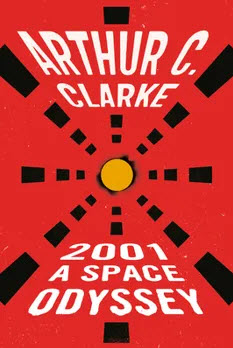
From the savannas of Africa at the dawn of mankind to the rings of Saturn as man ventures to the outer rim of our solar system, 2001: A Space Odyssey is a journey unlike any other. This allegory about humanity’s exploration of the universe—and the universe’s reaction to humanity—is a hallmark achievement in storytelling that follows the crew of the spacecraft Discovery as they embark on a mission to Saturn. Their vessel is controlled by HAL 9000, an artificially intelligent supercomputer capable of the highest level of cognitive functioning that rivals—and perhaps threatens—the human mind.
Rendezvous with Rama
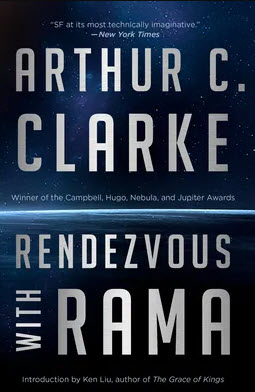
At first, only a few things are known about the celestial object that astronomers dub Rama. It is huge, weighing more than ten trillion tons. And it is hurtling through the solar system at inconceivable speed. Then a space probe confirms the unthinkable: Rama is no natural object. It is, incredibly, an interstellar spacecraft. Space explorers and planet-bound scientists alike prepare for mankind's first encounter with alien intelligence. It will kindle their wildest dreams...and fan their darkest fears. For no one knows who the Ramans are or why they have come. And now the moment of rendezvous awaits - just behind a Raman airlock door.
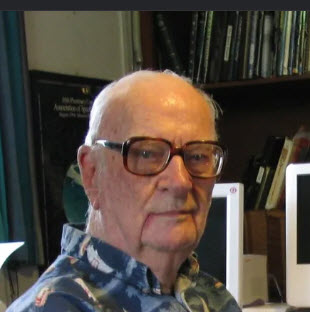
Sir Arthur Charles Clarke (16 December 1917 - 19 March 2008) was a British science fiction writer, science writer, futurist, inventor, undersea explorer, and television series host. He co-wrote the screenplay for the 1968 film 2001: A Space Odyssey, widely regarded as one of the most influential films of all time.